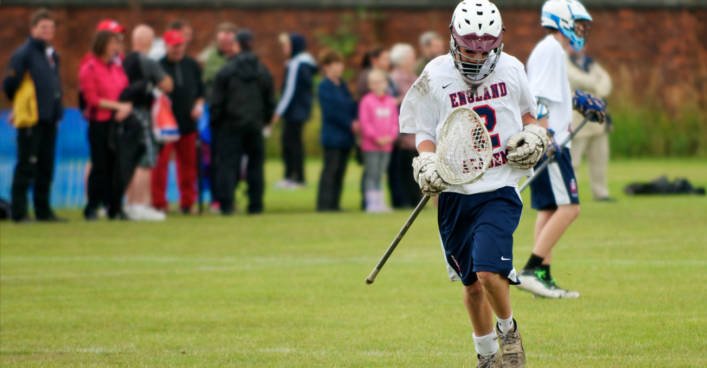
This summer a team of talented goalies are interning for Lax Goalie Rat.
Quick note: we announce the internship position on the email list so subscribe here to be notified when we open up positions next time.
This week I wanted to publish a guest post from a 17 year old goalie from Red Lion, PA.
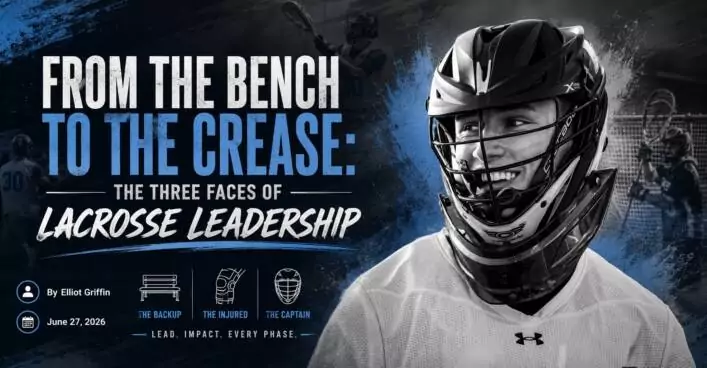
He’s been the backup buried on the depth chart, the injured kid stuck on the sideline for a full season, and the starting captain — and that whole journey gave him a take on leadership most players don’t figure out until way later.
Enter Elliot Griffin
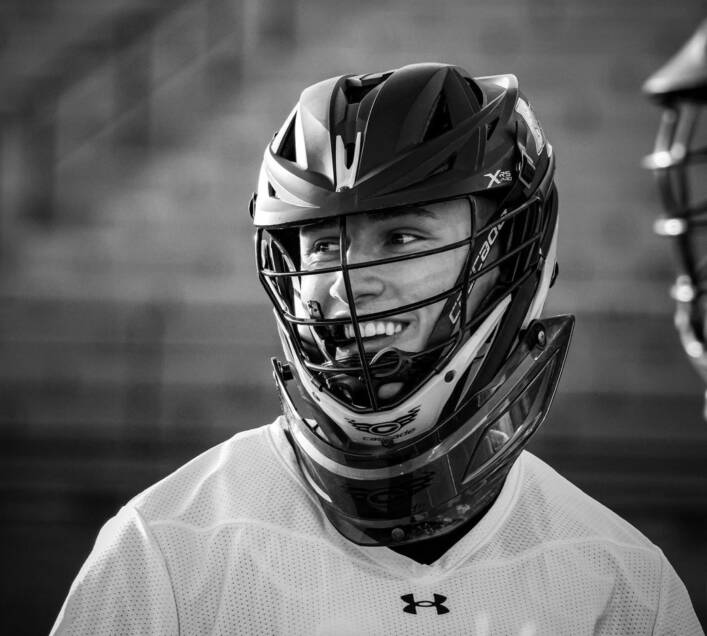
During my career as a high school goalie I have been through every stage as a player.
Freshman year I was the back up to the starter and got limited minutes. I had knee surgery pre-sophomore season and sat all year.
And my most recent season, my junior season, I started and led the team as 1 of 4 captains.
When people think of a leader on a lacrosse team, they usually picture the vocal starter. The person in the crease calling out slides, demanding intensity, and making the game-winning clears.
But having lived through three entirely different phases of a high school career, I’ve learned that leadership isn’t tied to a starting spot or captain status.
True leadership is about impact, and you can impact your team’s culture from the crease, the sideline, or the end of the bench.
Here is what it actually means to lead through every phase of the goalie position.
The Backup
As a freshman, sitting behind an established starter is tough on the ego.
You want the minutes, you want the stats, and it’s easy to feel invisible. But the backup goalie is secretly one of the most influential players on the roster.
Driving the Intensity
Your primary job as a backup isn’t just waiting for someone to get hurt. It’s making the starter better every single day. If you slack off in practice, the starting goalie doesn’t get pushed, and the shooters don’t get a realistic look.
By giving effort on every rep, giving 100% in clearing drills, and bringing high energy to warm-ups, you set a standard for the rest of the team.
When the rest of the team sees the backup working like a starter, it eliminates excuses for everyone else.
Being the Ultimate Teammate
Leadership as a backup requires a high level of emotional maturity.
You have to genuinely celebrate the starter’s big saves while preparing yourself to step in at a moment’s notice. It means being the first one off the sideline to high-five the defense during a timeout and keeping track of the opposing teams tendencies from the sideline to feed information to the starters.
The Backup’s Core Truth: You don’t need playing time to build a winning culture. You build it by serving the team’s mission over your own ego.
The Injured Player
Nothing tests your commitment to a sport quite like a season-ending injury.
Having knee surgery before my sophomore year was devastating. Suddenly, I wasn’t just a backup. I was physically incapable of playing the game I loved.
It’s incredibly easy to mentally check out, stop showing up to practices, and isolate yourself. But this is exactly where a different kind of leadership is forged.
Becoming an Extra Coach
When you are injured, you lose your physical presence, but you gain a massive mental advantage, perspective for the game.
From the sideline, you can see the entire field without the pressure of a ball flying at your face at 90 miles per hour.
During my sophomore year, I shifted my focus to becoming an asset to our defensive coordinator. I learned to watch the opposing team’s offense to spot their offensive schemes and shooter tendencies.
During timeouts, I could pull our defense aside and say, “Hey, their X-attackman is strictly dodging to his left every time he catches it low. Force him top-side.” An injured leader acts as the emotional anchor for the team.
When the team is on a losing streak or weathering a brutal practice, your presence matters. When your teammates see you showing up to 6:00 AM conditioning in a knee brace, and cheering them on, it puts their complaints into perspective. It reminds them not to take their health or their playing time for granted.
The Starter and Captain
When I finally earned the starting spot and was voted a captain my junior year, everything came full circle.
But the only reason I was ready for that responsibility was because of the lessons I learned while sitting out and backing up.
Orchestrating the Defense
As a starting goalie, you are the quarterback of the defense. Because you can see the entire field, leadership here is highly vocal. You aren’t just shouting for the sake of making noise, you are directing the entire defense.
- Calling the Ball: Keeping everyone aware of where the threat is.
- Directing Slides: Telling your defensemen when to hold and when to go.
- Managing the Reset: Settling the team down after a goal is scored.
The starter’s energy dictates the defense’s demeanor. If you get frantic or show visible frustration after letting in a soft goal, your defense will play tense. If you remain calm, composed, and focused on the next whistle, your unit will mirror that composure.
Leading with Empathy
Because I had been a backup and an injured player, my leadership style as a captain was entirely different than it would have been otherwise. I knew exactly how the guy at the end of the bench felt. I knew the frustration of the player recovering from an injury.
As a captain, I made it a point to validate those roles.
I checked in on our injured guys, made sure the backup goalies were getting meaningful feedback in practice, and ensured that the entire roster felt valued. True leadership means lifting up the bottom of the roster, not just celebrating the stars.
The Takeaway: Leadership is a Mindset, Not a Position
Looking back at my high school career, I used to think my sophomore year was a wasted season. Now, I see it as the year I learned what leadership actually means.
Whether you are lining up with the refs and the other captains before a game and staring down a breakaway, filling up a pack of water bottles on the sideline with an ice pack on your joint, or warming up the starter before a championship game, you have a role to play.
Your status on the depth chart doesn’t define your value to the team.
Your attitude, your work ethic, and your commitment to the guy standing next to you does. No matter what phase of your career you are currently fighting through, embrace it, own it, and lead from it.
Back to Coach Damon
Here’s why I wanted Elliot to write this one.
Most of the goalie content out there is about technique — your arc, your hands, your clears. All of that matters. But the goalies who actually stick around and make their teams better are the ones who figure out what Elliot figured out: your job doesn’t start when you get the starting nod, and it doesn’t stop when you’re hurt.
I’ve coached backups who pushed the starter so hard in practice that the whole defense got better.
I’ve seen injured players become the sharpest scouting mind on the roster. And I’ve watched starters lose their team in about four seconds because they hung their head after a soft goal. The depth chart changes. The mindset is what travels with you.
So wherever you are right now — first off the bench, stuck in a knee brace, or wearing the captain’s “C” — own that role and lead from it. That’s how you build a career, not just a season.
Huge thanks to Elliot for sharing his story. Go put in the work this week.
— Coach Damon

























 14 Amazing Lacrosse Goalie DrillsAug. 1, 2024
 Quick Guide To Lacrosse Slang TermsApril 14, 2025
 Lacrosse Goalies Rules To KnowJune 28, 2022
 Lacrosse Goalie Step-by-Step Guide to Getting RecruitedFebruary 6, 2022
 18 Lacrosse Goalie Drills to Improve Your GameApril 24, 2025
 7 Elements of a Great Lacrosse Goalie StanceAug. 1, 2020
 12 Lacrosse Goalie Tips To Take Your Game to the Next LevelSeptember 10, 2024
 STX Eclipse 3 Goalie Head ReviewApril 24, 2025
 Lacrosse Goalie WorkoutAug. 12, 2019
 The Basics of Making a SaveJune 29, 2021